
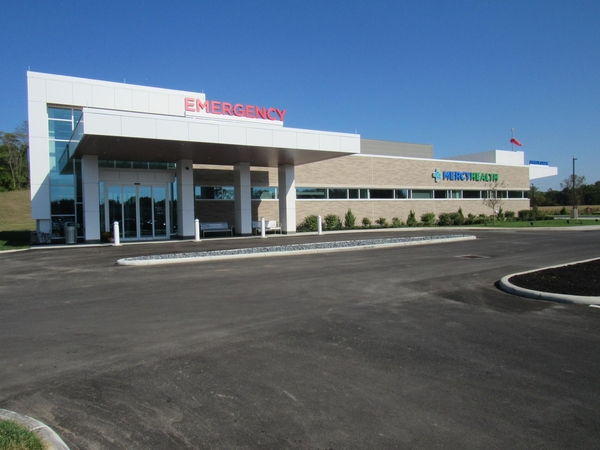
FAIRBORN, OH (June 4, 2026) – Mercy Health - Dayton Springfield Emergency Center is introducing Protocol 99, a new initiative designed to help fire, EMS, and law enforcement personnel – both active and retired – access mental health support when they need it most.
First responders routinely face high-stress situations and repeated exposure to trauma, yet many delay or avoid seeking care due to stigma, concerns about privacy, and fear it could impact their careers. Protocol 99 addresses many of those challenges directly by creating a confidential, streamlined pathway to care that prioritizes discretion and ease of access.
The initiative is uniquely housed at Mercy Health’s Dayton Springfield Emergency Center, a freestanding emergency department selected in part for its more private setting and discrete entry point, helping reduce visibility and also as an opportunity for first responders in the Dayton area to seek care.
Protocol 99 is activated through a peer support team member, who conducts an initial assessment and initiates care with a single call. In many cases, the peer supporter can transport the individual to the emergency department and remain alongside them throughout the visit, providing trusted, continuous support during what can often be a difficult and vulnerable time. Another pathway to activation is for first responders who present on their own, without a peer supporter – they can simply state “Protocol 99” as their chief complaint at registration to initiate the process.
Once activated, patients are evaluated promptly by clinicians experienced in working with first responders, without the need for traditional waiting room processes.
“First responders are trained to run toward emergencies, not ask for help,” said Noel Helton, director of emergency services for Mercy Health - Springfield. “This initiative is about meeting them where they are and making sure they can access care in a way that feels safe and confidential.”
Mental health challenges among first responders are increasingly recognized nationwide, with higher rates of stress, trauma exposure, and related conditions compared to the general population. Despite those risks, many go untreated, often because of concerns about being seen seeking care or uncertainty about how it could affect their professional responsibilities. Protocol 99 was developed to address those concerns directly, creating a more approachable path to care that prioritizes confidentiality and ease of access during moments of crisis.
In addition to immediate evaluation and stabilization, the initiative also emphasizes continuity of care by connecting individuals with specialized resources and follow-up services tailored to first responders, supporting longer-term recovery and wellbeing. By bridging the gap between peer support and clinical care, the program aims to ensure that those who serve the community have a clear, trusted option for getting help when they need it.
“Our goal is to remove as many barriers as possible,” Helton added. “When someone is in crisis, the system should make it easier – not harder – to get help.”
Protocol 99 is available 24 hours a day, seven days a week at Mercy Health - Dayton Springfield Emergency Center, located at 1840 Springfield Rd. in Fairborn. To learn more about the emergency services available at Mercy Health, visit mercy.com.